WYLD
A Card designed by the GenZ for the GenZ

Overview
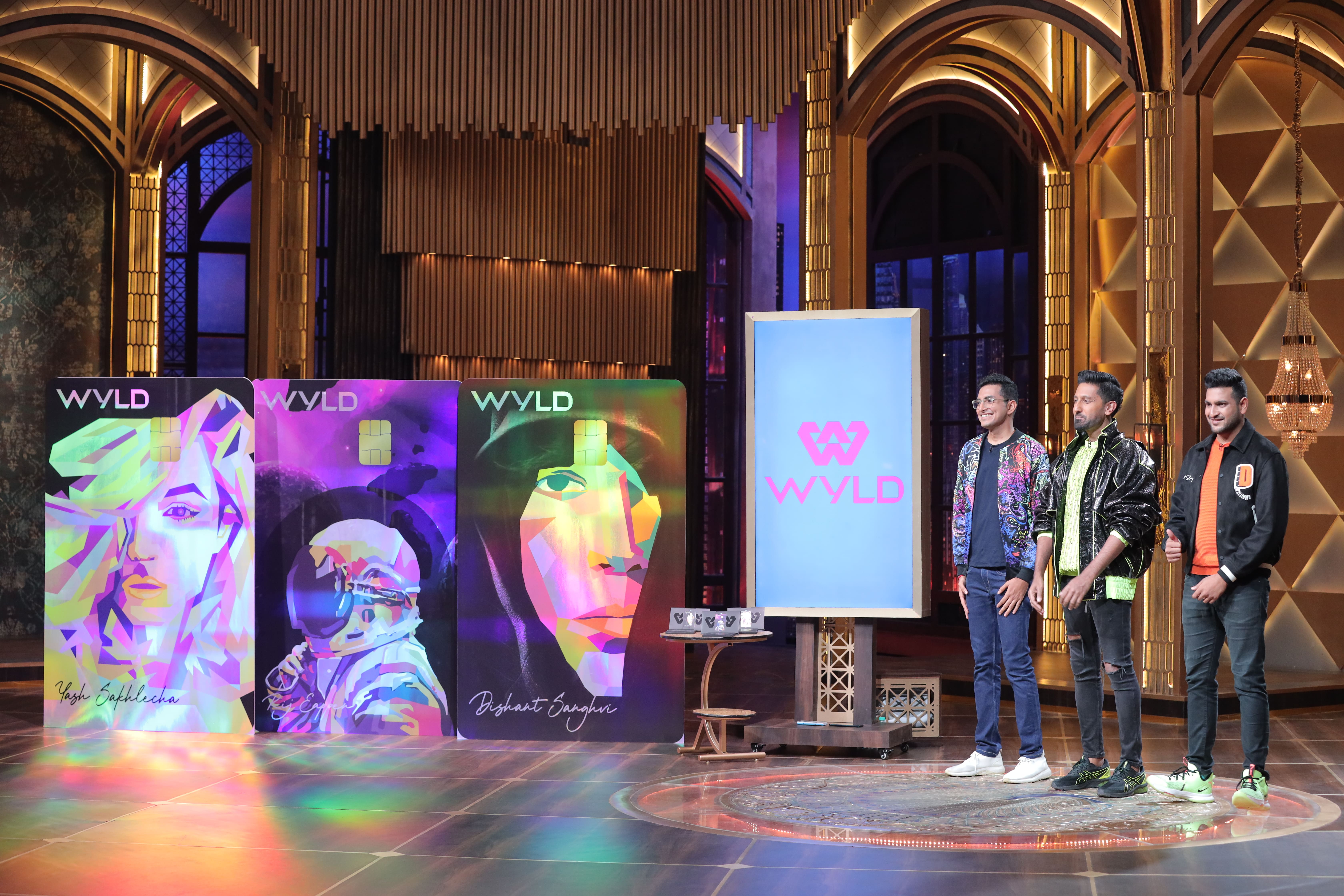
Wyld is a fintech startup building a social debit card for young Indians. I joined as a product designer on the team and owned the VIP card design, 3D product animations, and Shark Tank visuals. Two sharks invested. The work held up in the room.
|

BRIEF
Fintech is a trust game. You're asking people to put their money, their identity, and their financial life into something new. Wyld was brand new to the market, no legacy, no reputation, no reason yet for anyone to believe in it. That was the design problem.
A fintech brand built from the ground up, designed to make people feel safe enough to swipe.
PROBLEM
When the lead designer was stuck on the VIP card direction, I stepped in. Not because I was asked to because I saw the problem clearly and knew I could solve it.
Wyld wasn't just selling a product. It was asking people to trust a new financial platform with something personal their money. That's a completely different design brief than most consumer apps. The fear is real and justified. People have been burned by financial products before. Our job wasn't to ignore that fear it was to design past it.
The VIP card was the highest-stakes piece of that work. It was the physical object people would hold in their hands, pull out of their wallets, and make a split-second judgment about. Get it wrong and the whole brand feels untrustworthy. Get it right and it becomes something people want to show off.
I wanted to get it right.
THE VIP CARD
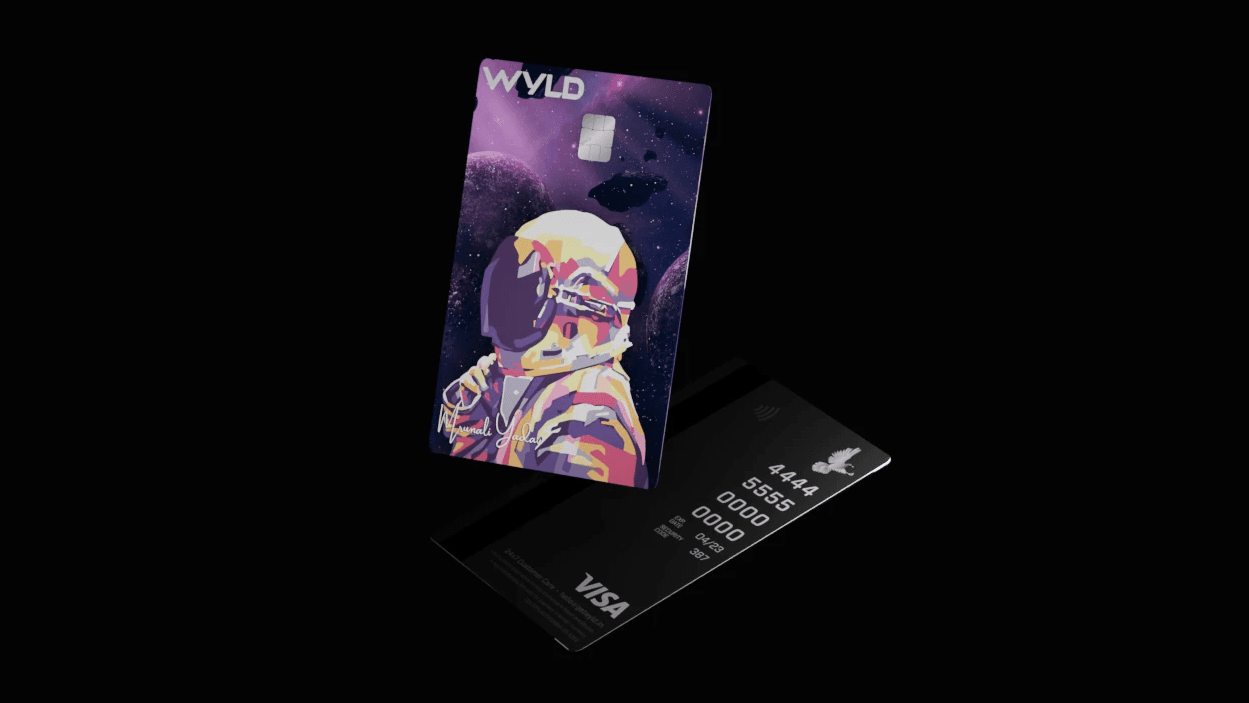
Not everyone qualifies for the Wyld VIP card. It's earned, tied to a social score based on followers, influence, and cultural cachet. That exclusivity was the brief. The card needed to feel like something worth having, worth carrying, worth being seen with.
The design challenge was specific: create something that felt unmistakably premium without breaking Wyld's brand consistency. It still had to be Wyld, just the best version of it.
I focused on three things, finish, color depth, and typographic weight. Details that don't announce themselves loudly but that you feel the moment you hold the card alongside a standard one. The difference had to be immediate and undeniable.
This card launched. Real members carry it. For a junior designer on a fast-moving fintech team, having a physical financial product in the hands of real people is something that doesn't happen by accident. It happens because the design earned it.
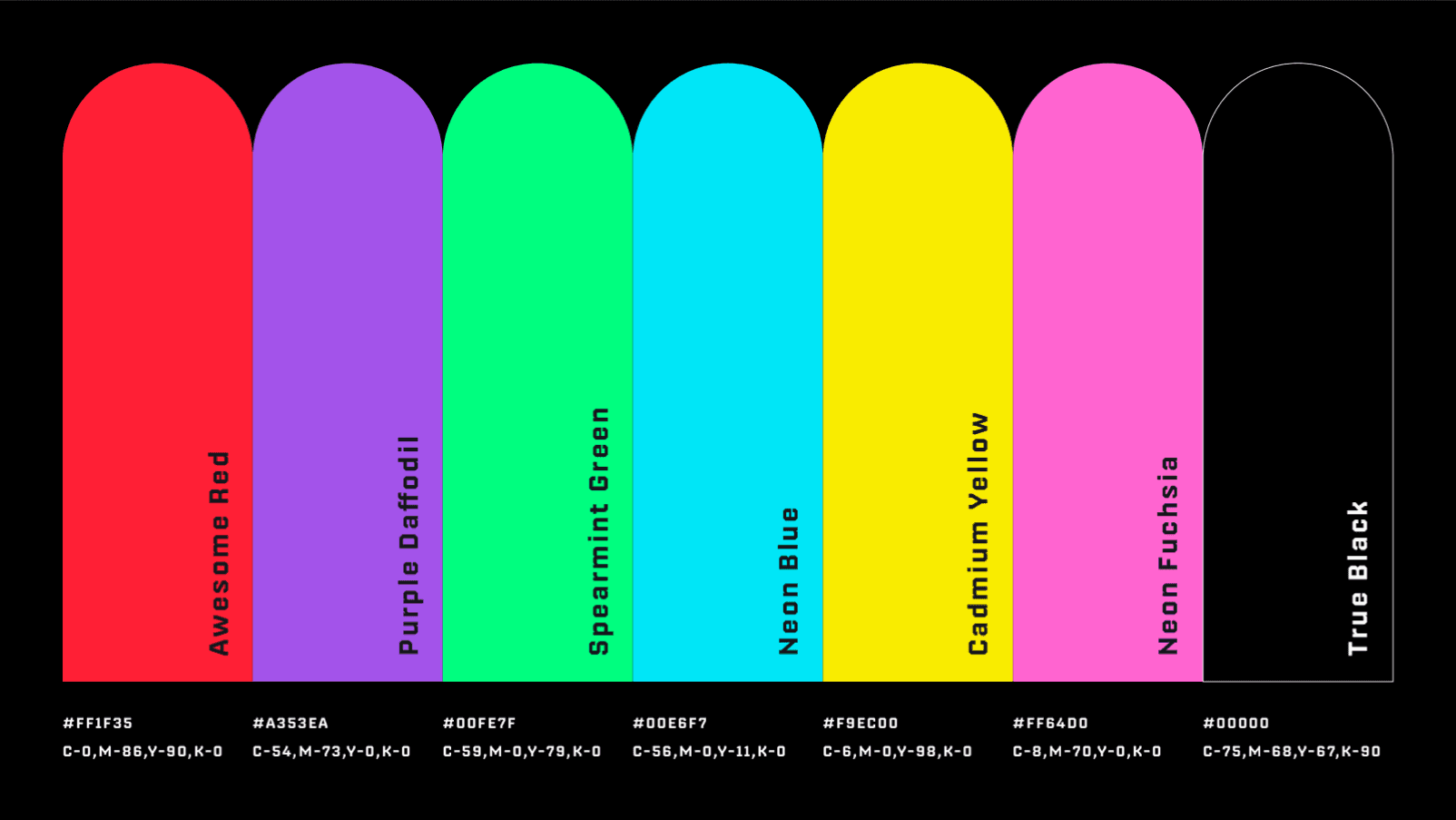
Colors decided
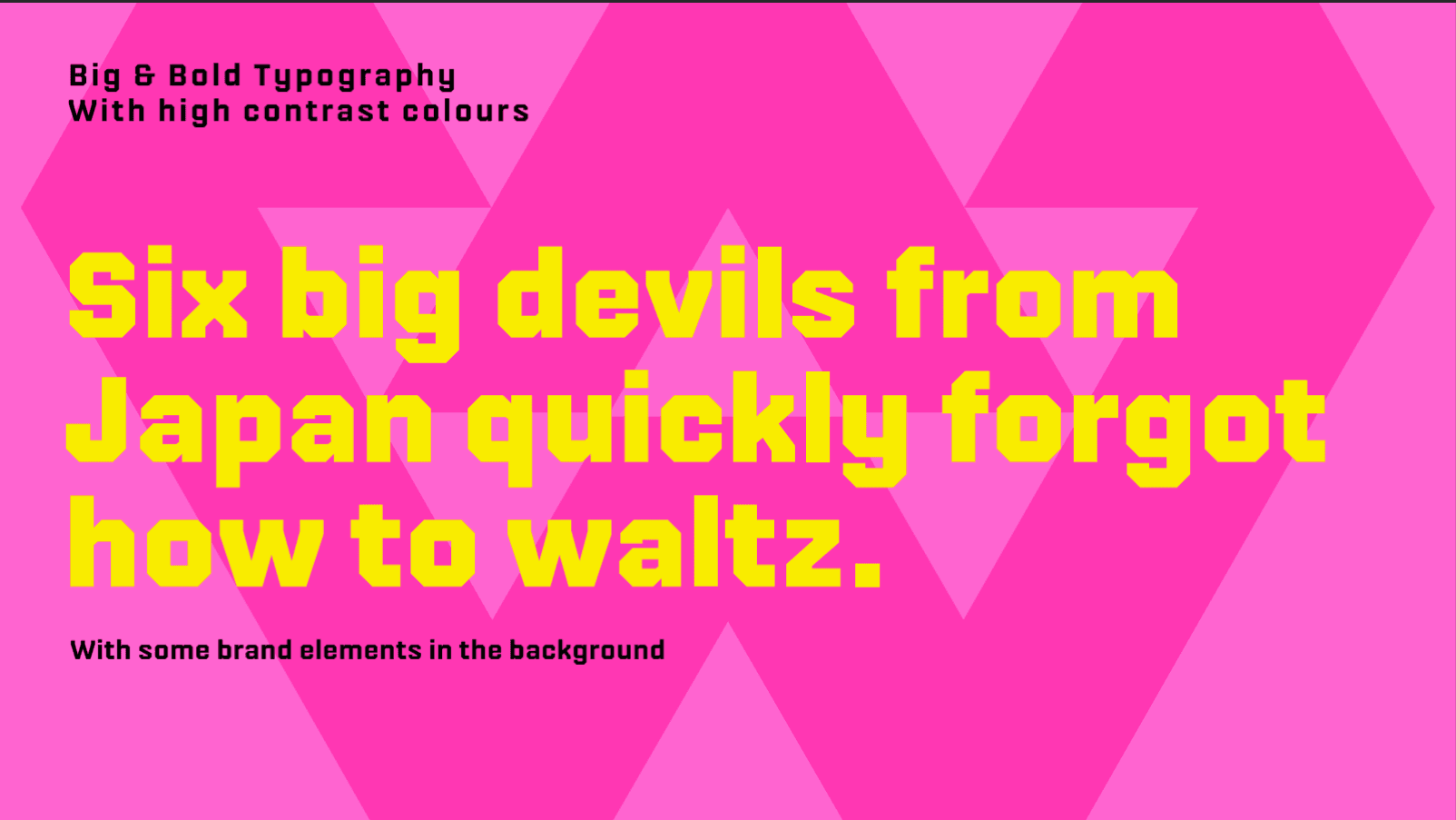
Visual Identity
WHY BLENDER
The team didn't have 3D capability. I brought it.
Wyld was new. Nobody knew the brand, nobody had held the card, nobody had a reason yet to trust the product. Static images of a card on a white background weren't going to build that trust. I needed people to feel the card before they ever touched it.
I taught myself Blender to create 3D product animations of the card cinematic renders that showed the material, the finish, the weight of the object. The kind of visual that makes something feel real and desirable before it exists in your wallet.
The videos ran across social media, the website, and most significantly the Shark Tank pitch deck.
Two sharks invested. The pitch worked.
That's not a coincidence. When investors see a product that looks like it belongs in the world premium, considered, trustworthy they believe in it differently. The Blender work wasn't decoration. It was part of the argument for why Wyld deserved their money.
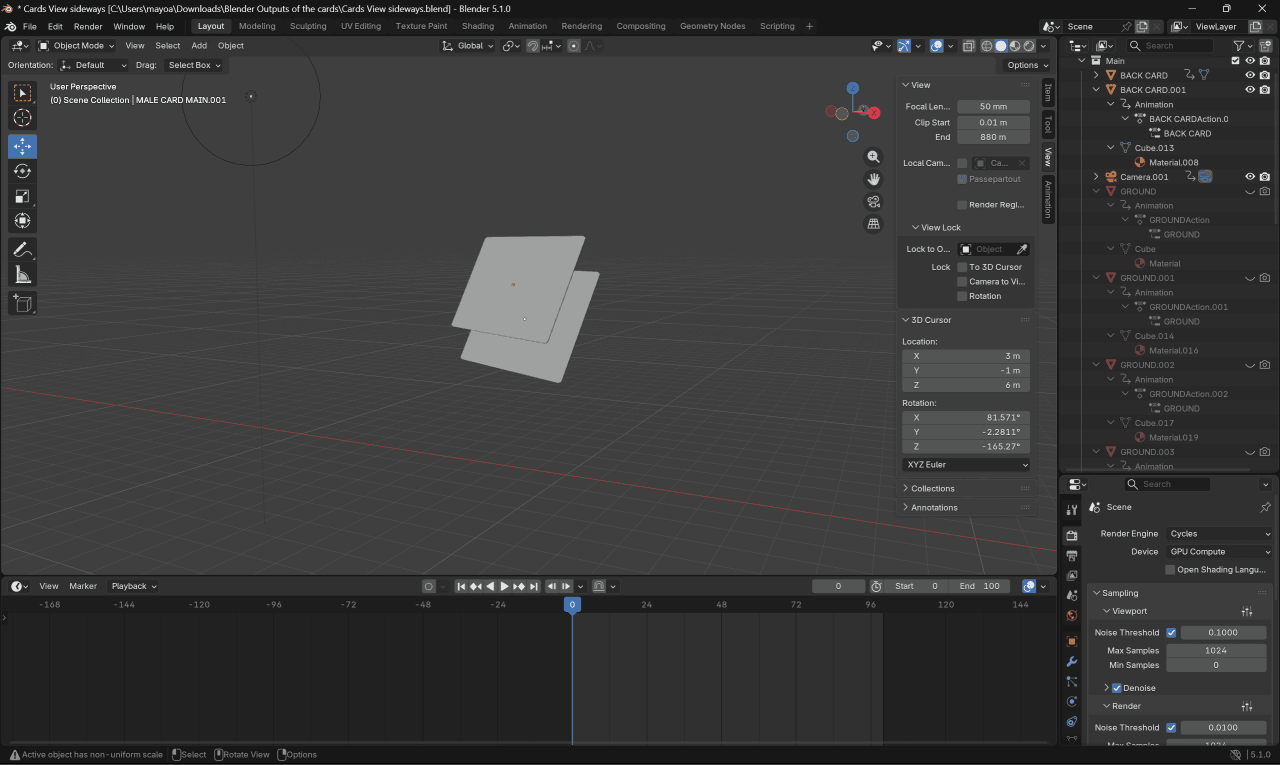
Blender process #1
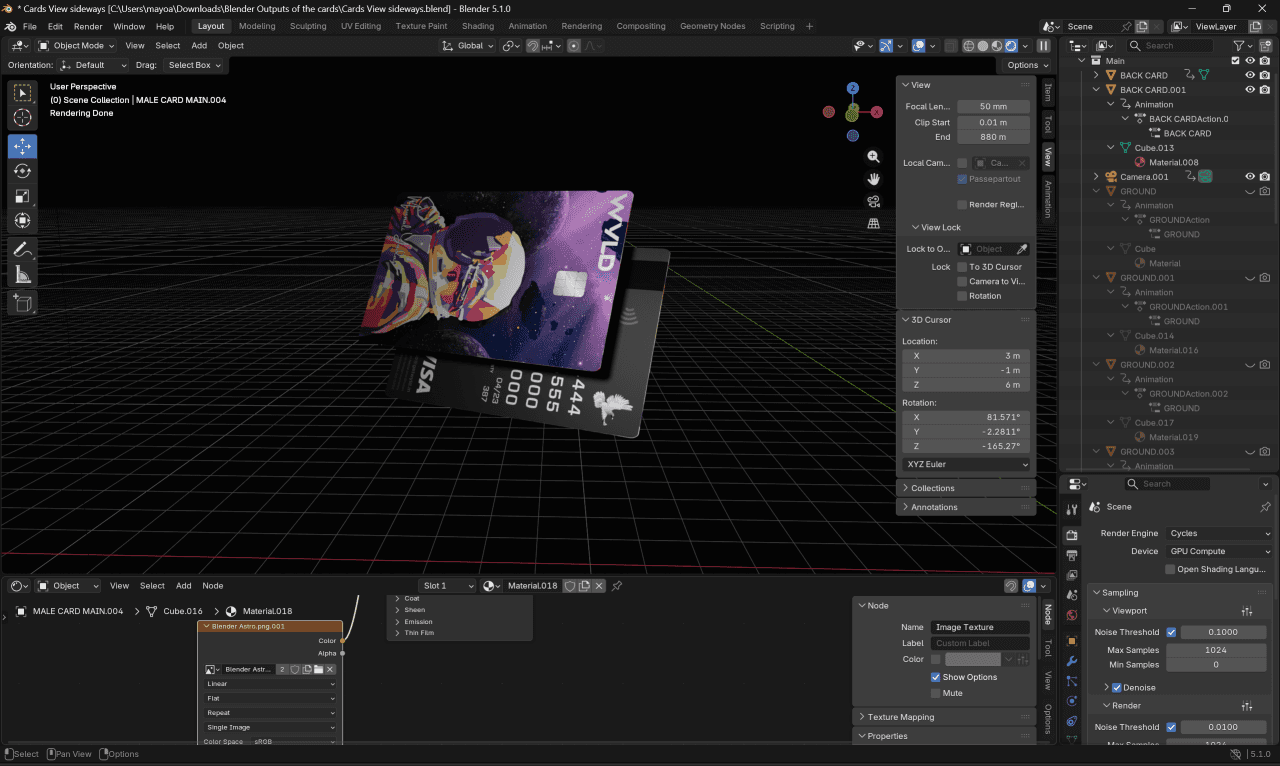
Blender process #2
THE IMPACT
VIP card launched to exclusive members with qualifying social scores
3D animations generated 2M+ views across social, web, and pitch materials
Two Shark Tank investors committed funding after the pitch deck
Established Wyld's visual identity as premium and trustworthy in a market where trust is everything
#1
WHAT I LEARNED
Step up when there's a gap. The lead designer was stuck. I saw a solution and took ownership. That instinct to move toward problems instead of waiting to be assigned them is something I carry into every team I work on.
Trust is a design material. In fintech especially, every visual decision either builds confidence or erodes it. The card's weight, finish, and typographic choices weren't aesthetic preferences they were trust signals. People make financial decisions based on feelings they can't always articulate. Our job is to make those feelings work in the product's favor.
3D is a business tool, not just a visual one. The Blender renders didn't just look good they closed a room. When the Shark Tank pitch showed investors a card that looked like it already existed at scale, it changed the conversation from "can this work" to "how fast can we grow this."
Craft at the junior level still ships. I was the newest designer on the team. The card launched. The videos hit 2M+ views. The sharks invested. The title didn't matter the work did.
Impact
#2
A VIP card in market. Two million views. Two shark investors. And a lesson I won't forget in fintech, design isn't decoration. It's the reason people decide to trust you.
Designed to make people feel safe enough to swipe.
Final Card